Scrap Processing Equipment for Manufacturing Plants in India
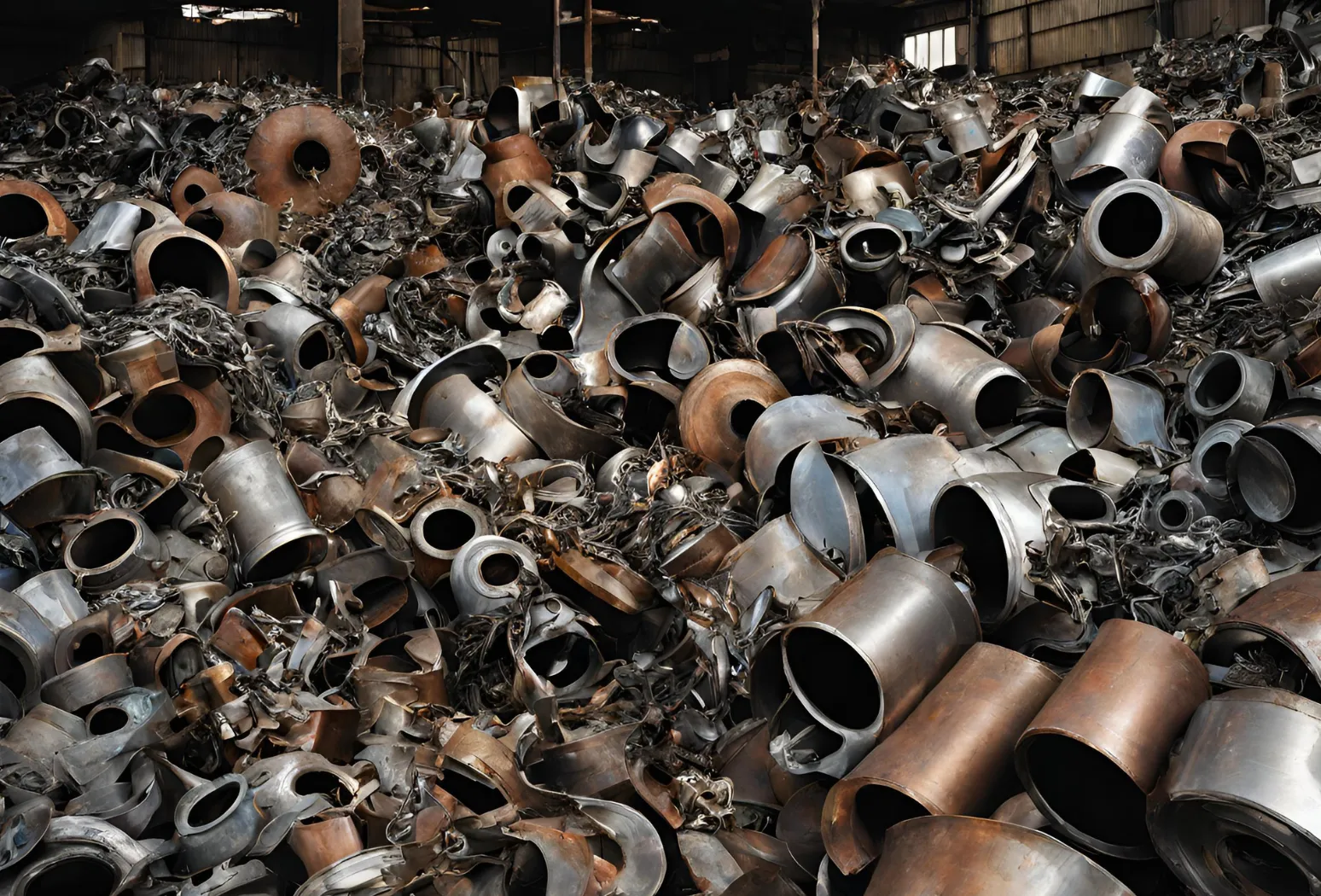
Manufacturing growth creates a practical shop-floor problem: more production usually means more scrap. Metal offcuts, rejected parts, packaging waste, chips, shavings, pipe, sheet, drums, and mixed recyclable material all need to be handled without slowing production.
Good scrap handling is not just housekeeping. It affects floor space, safety, transport cost, recovery value, furnace charging, and how quickly material can move back into the recycling chain.
Map the scrap before buying machines
A plant should first identify where scrap is generated and how it moves. Is it coming from machining, fabrication, packaging, foundry work, sheet metal processing, pipe manufacturing, or general maintenance? Is it heavy, light, long, loose, oily, mixed, or already sorted?
This mapping matters because one machine may not solve the whole problem. A plant may need shearing for long metal, baling for compactable scrap, shredding for size reduction, and briquetting for chips.
Balers reduce volume and improve handling
Hydraulic balers compress loose scrap into dense bales. They are useful where the goal is storage reduction, transport efficiency, or easier downstream handling.
For smaller metal scrap streams, JHR’s Manual Mini Baler or Mini PLC Baler can fit sites that need compact machines. For larger metal recycling operations, Jumbo Manual, Jumbo PLC, High Density, and Super Jumbo models are more relevant.
JHR’s high-density and super jumbo options are positioned for metal scrap applications where bale density, compaction force, and handling efficiency are important. The continuous baler range can be evaluated where material needs to be fed regularly instead of in small batches.
Shears prepare oversized metal scrap
Long or oversized metal scrap can slow down storage and transport. It can also create handling problems before melting or further processing. In such cases, shearing comes before baling or transport.
JHR’s Alligator Shear is suited for materials such as TMT bar, angle, channel, round, pipe, and tube scrap. The Box Shear handles light and heavy-duty mixed scrap, including sheet, pipe, car bodies, and shipbreaking scrap. The Continuous Shear is for high-capacity cutting where mixed and heavy-duty scrap is processed continuously.
For a manufacturing plant, the question is whether the scrap can be moved and charged as it is. If not, a shear may be required before the rest of the process becomes efficient.
Shredders reduce material size
Shredders are useful when the site needs size reduction rather than only compaction. This can apply to mixed scrap, metal scrap, paper, rubber, plastics, tyres, car bodies, and other materials depending on the machine design.
JHR’s Twin Shaft Shredder uses two shafts with interlocking cutters rotating in opposite directions. It is suited to controlled size reduction and material streams where high torque is useful. The Hammer Mill Shredder uses impact and shearing action to break material into smaller, denser portions.
If the plant struggles with bulky material, inconsistent input size, or further processing requirements, a shredder may be a better solution than a baler alone.
Briquetting handles chips and shavings
Machine shops and manufacturing units often generate metal chips or shavings. These are difficult to store and transport loosely. They can also create losses during handling and smelting.
JHR’s Briquetting Machine is designed for metal shavings and chips, along with other materials such as husk, fodder, and wood depending on the application. JHR product data lists high-density briquettes, a continuous system, uniform briquette length, and compression force up to 5000 kg/sq cm.
For a plant that produces chips every day, briquetting may be more relevant than a baler.
Safety and maintenance planning
Scrap processing machines use moving parts, hydraulic force, and stored energy. HSE guidance for waste and recycling machinery emphasizes fixed guards, preventing access to moving parts, secure isolation from power sources during maintenance, and attention to stored hydraulic or pneumatic energy.
This should shape machine planning. The buyer should check operator access, guarding, maintenance space, feeding method, and service support before finalizing the layout.
Build the system around the scrap flow
The practical sequence is simple: sort the material, size it if needed, compact or shred it if needed, and move it in a form that improves value and handling.
Jain Hydraulics Recycling can support this through balers, shears, shredders, and briquetting machines. The right setup depends on the material mix, output target, available space, and downstream buyer requirement.