How Baling Machines Improve Scrap Management
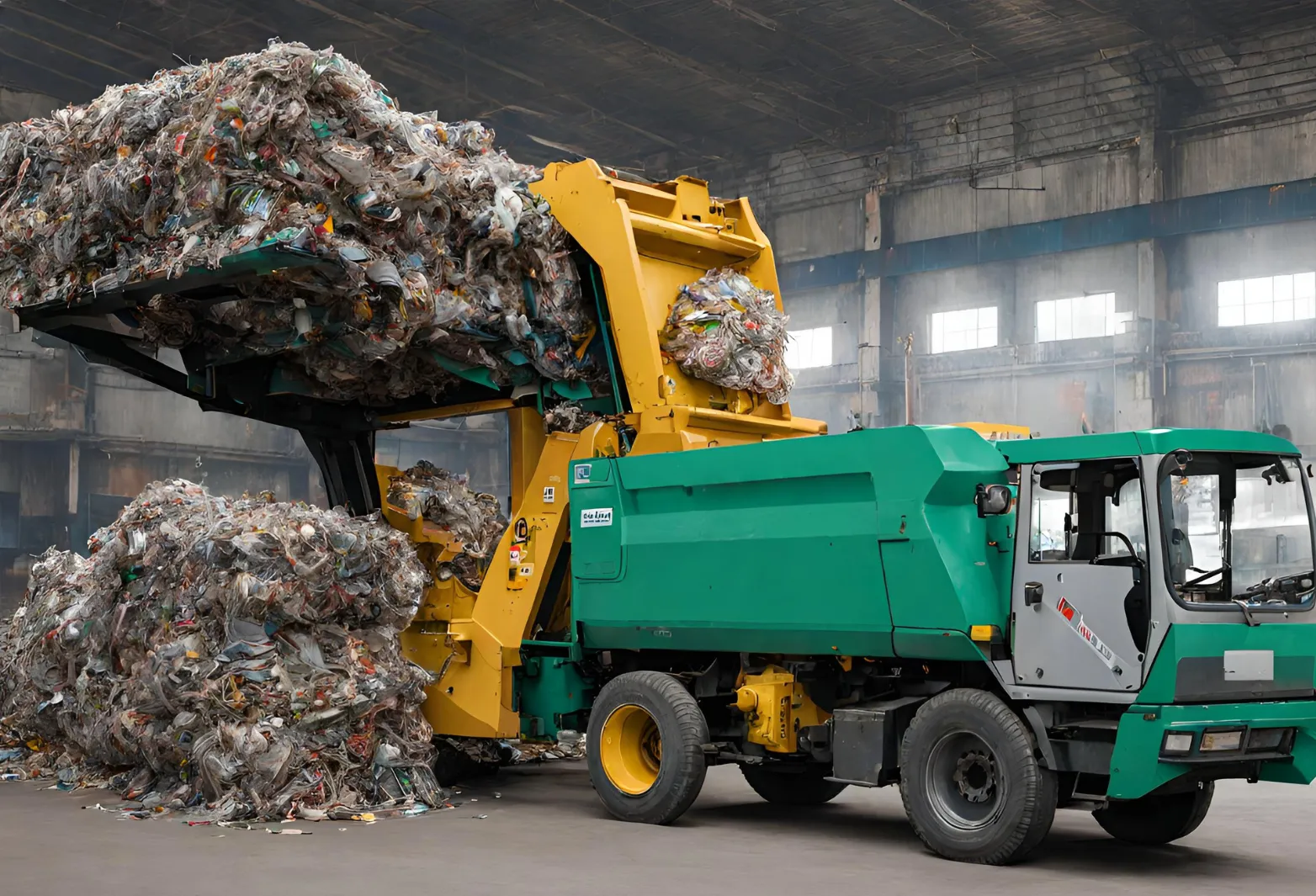
Scrap management becomes difficult when loose material builds up faster than it can be moved. A baling machine helps by compressing recyclable or metal scrap into compact bales that are easier to store, transport, and process.
For a recycling business, this can improve daily operations. For a manufacturing plant, it can keep scrap away from production areas and make waste handling more controlled.
Baling supports a better waste hierarchy
EPA’s sustainable materials management hierarchy places emphasis on reducing, reusing, recycling, and composting as preferred approaches before disposal. A baler does not reduce waste at the source by itself, but it supports the recycling stage by making collected material easier to store, transport, and process.
That distinction matters. A baler should be part of a better material recovery process, not a way to hide poorly sorted waste.
Less loose material on site
Loose scrap takes up space. It also creates more handling work because material has to be collected, moved, and loaded in an unorganized form.
A hydraulic baler compresses material into a defined bale. This makes storage cleaner and helps teams move material with less repeated handling. For smaller sites, JHR’s Manual Mini Baler and Mini PLC Baler are compact options. For larger scrap yards, Jumbo Manual, Jumbo PLC, and Super Jumbo machines are more relevant.
Better transport planning
Baled material is easier to load and transport than loose scrap. The buyer can plan trips more accurately because the material is already compacted and easier to count or stack.
The exact saving depends on the material and bale density, but the operational reason is clear. A dense bale makes better use of storage and transport capacity. For high-density metal scrap requirements, the High Density Baler is designed for stronger compaction and easier handling.
Better fit for different site sizes
Not every site needs the same baler. A small scrap stream may need a compact machine. A large metal recycling yard may need a PLC-controlled or heavy-duty model. A packaging-heavy site may need a horizontal or vertical baler instead of a metal scrap press.
JHR offers hydraulic baler machines across manual, PLC-controlled, high-density, horizontal, vertical, continuous, and jumbo formats. The right choice depends on material type, volume, bale requirement, available space, and operator workflow.
Baling should be planned with stacking safety
Once scrap is baled, it still has to be stored safely. HSE guidance on bale stacking notes that the material type, bale size, bale shape, weight, and density affect stack stability. In a plant or yard, this means the baler decision should be connected to the storage area, forklift route, stack height, and loading method.
If a bale is too large or too heavy for the site handling system, the machine choice may create a new problem. The bale has to match the process after ejection.
When baling should be combined with cutting or shredding
Some scrap is too long, heavy, or irregular for direct baling. In those cases, a baler may work better as part of a larger process. Metal may first pass through a shear machine or shredder machine before compacting or further recovery.
For example, long TMT bar, pipe, angle, or channel scrap may be better handled by an Alligator Shear. Mixed heavy-duty scrap may need a Box Shear or Continuous Shear. Material that needs size reduction may need a Twin Shaft Shredder or Hammer Mill Shredder.
A simple way to evaluate your need
If your team spends too much time moving loose scrap, transport trips are inefficient, or the storage area fills quickly, baling is worth evaluating.
Start with the material, daily quantity, bale size, available space, and downstream handling method. Those details usually narrow the right machine range faster than a general capacity comparison.