Choosing an Indian Manufacturer for Scrap Processing Machines
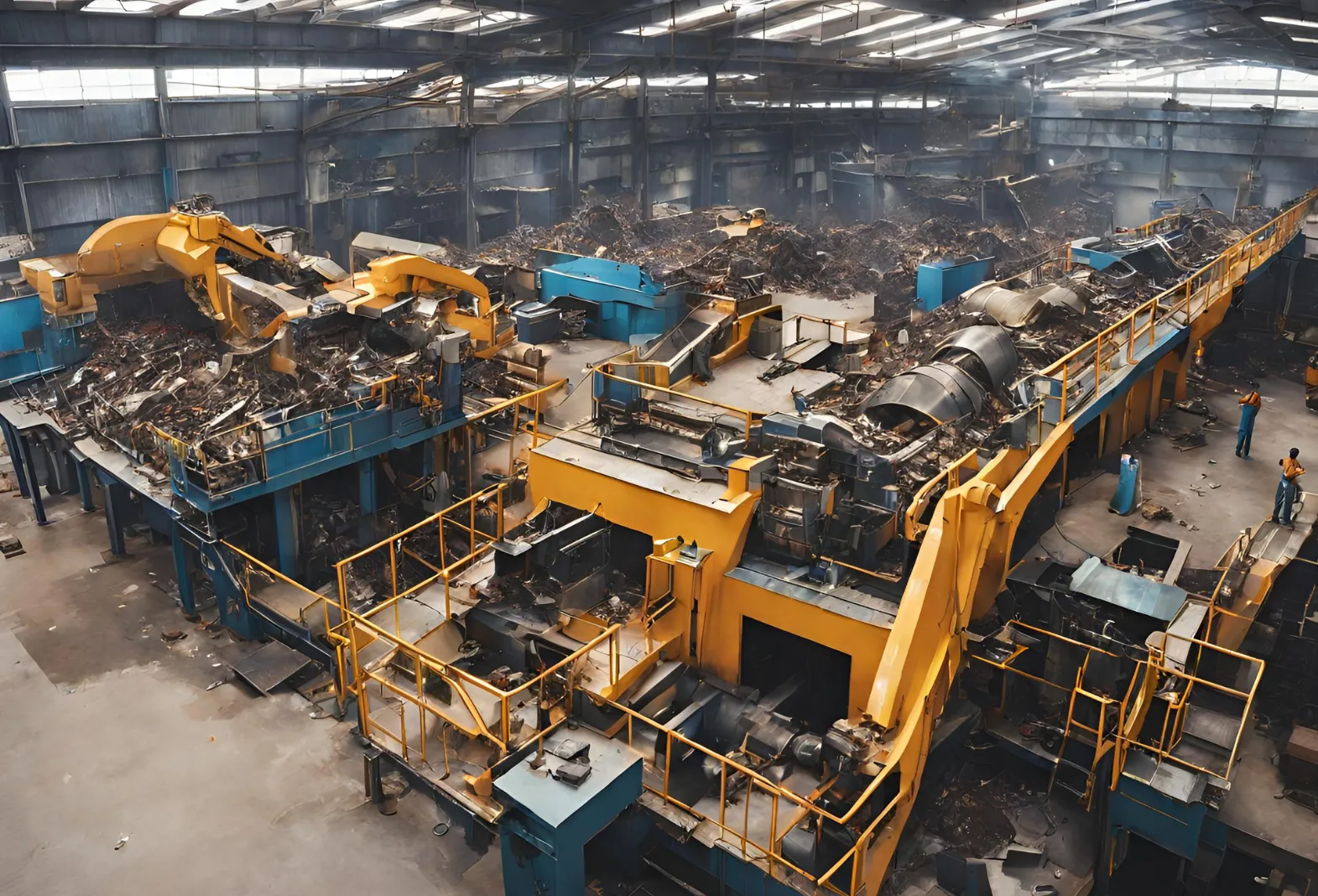
Choosing a scrap processing machine is also choosing the manufacturer behind it. For buyers, the important question is not only whether a company makes a baler, shear, or shredder. The question is whether the manufacturer understands the material, site constraints, production target, and after-sales requirement.
Jain Hydraulics Recycling manufactures equipment for metal scrap and waste processing, including hydraulic balers, scrap shear machines, shredders, and chip processing equipment.
Evaluate the machine range
A wider machine range helps when the buyer is still comparing options. A small metal scrap operation may not need the same baler as a high-volume recycling yard. A site handling long metal scrap may need a shear before baling. A plant with chips or shavings may need briquetting instead of a standard baler.
The JHR range includes compact balers, manual and PLC-controlled jumbo balers, high-density balers, continuous balers, alligator shears, box shears, continuous shears, twin shaft shredders, hammer mill shredders, and briquetting machines.
That range matters because a single-product supplier may push one type of machine into too many applications.
Check application fit
A professional recommendation should be based on the material and process, not just a machine name. Buyers should share the type of scrap, approximate quantity, current handling method, available area, and expected output.
For example, a Continuous Shear suits high-capacity mixed and heavy-duty scrap cutting requirements. A Twin Shaft Shredder is more relevant when size reduction is the priority. A Super Jumbo Baler fits a different problem: fast, high-force metal scrap baling.
Ask how the manufacturer handles safety and maintenance
Scrap processing equipment works with moving parts, hydraulic systems, electrical controls, stored energy, and heavy material. International safety guidance from NIOSH and HSE repeatedly points to guarding, lockout or isolation during maintenance, operator training, and safe procedures around jams.
For a buyer, that means the discussion should include more than price and delivery. Ask about access for maintenance, guarding, interlocks, oil filtration, cooling, cylinder design, replaceable liners, and spare support.
JHR product pages list practical durability and maintenance features across selected machines, including HARDOX wear-resistant plates, hardened chrome-coated piston rods, honed pipes, Parker pumps on certain models, oil filtration, cooling systems, replaceable liners, anti-clogging alarms, and remote diagnostics on selected PLC models.
Think in terms of a process line
Many scrap yards and manufacturing plants do not need one standalone machine. They need a process.
Long scrap may first need shearing. Bulky mixed material may need shredding. Metal chips may need briquetting. Loose compactable material may need baling. A manufacturer who understands the process should be able to explain which machine comes first and why.
For example, a metal recycling site may use a shear for oversized scrap and a baler for compacting processed material. A manufacturing plant with machining waste may need a briquetting machine for chips. A waste processor may need a shredder before downstream sorting or compaction.
Check whether the manufacturer can discuss your numbers
Useful questions include:
- What material are you processing most often?
- How many tons per hour or per shift do you expect?
- What bale size or output form does your buyer prefer?
- How will the bale, cut scrap, shredded material, or briquette be moved?
- How much space is available for feeding and maintenance?
- Is manual operation acceptable, or do you need PLC control?
If the recommendation does not change when these answers change, it is probably not specific enough.
Keep the decision grounded
Strong manufacturers do not force one model into every situation. They help narrow the choice based on the buyer’s actual work.
If you are planning a scrap processing setup, start by listing your material types and daily quantity. Then compare whether your site needs baling, shearing, shredding, briquetting, or a combination of these processes.